








The end of the season – and with it, hauling out – is drawing closer. Before the boat is winterised, it should be thoroughly cleaned. Hot steam can be a good alternative to chemicals and water here – both for the interior and the exterior.
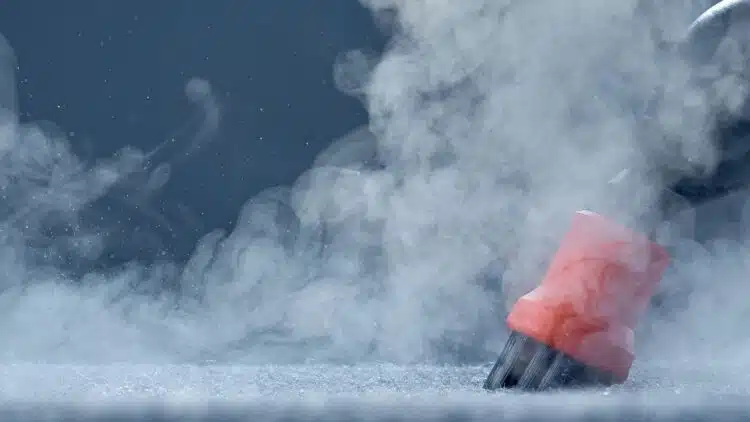
Steam cleaners heat water to a high temperature and turn it into steam – usually above 100 °C, often combined with high pressure. The steam is directed onto the surfaces to be cleaned; it loosens dirt, biofilm, deposits, grease, salt residues etc. and kills many microorganisms.
Its effectiveness is based on the combination of heat, pressure and steam: heat increases both the cleaning and the disinfecting effect (killing germs, mould), the high pressure helps to loosen stubborn deposits, and thanks to the vapour properties of the water, cracks, textiles, joints, seams etc. can also be easily reached and cleaned.
Steam cleaners offer a wide range of advantages; using fewer aggressive cleaning agents protects the environment
The advantages over conventional cleaning methods are obvious: firstly, this is chemical-free cleaning with a significantly reduced use of aggressive cleaning agents, which protects the environment and leaves fewer residues that could damage paintwork, wood, upholstery or sensitive materials.
A further advantage lies in the area of disinfection / hygiene: steam cleaners effectively eliminate mould, fungi and bacteria – which is particularly important in damp boat interiors. Sensitive surfaces are protected, as mechanical scrubbing is often unnecessary, which helps to prevent scratches.
In addition, the process also makes it easier to remove stubborn dirt and biofilm; algae, salt, tar etc. can, under certain circumstances, be loosened more effectively with steam and heat. Finally, in many cases, boat cleaning is also quicker with steam & co.
High-quality steam cleaners with adequate performance are expensive, and improper use can also cause damage
However, these advantages are offset by a number of significant disadvantages that should be taken into account. High-quality steam cleaners with sufficient performance are expensive, including in terms of maintenance, and electricity or fuel consumption should not be overlooked either
Excessive heat or steam pressure can also damage sensitive paintwork, upholstery, wooden trim or electronic components, so caution is required here. Steam can also get into interior spaces and unintentionally trap moisture if the boat is not properly ventilated or dried after cleaning. Finally, the weight and size of the device also play a not insignificant role. Powerful devices are often large and heavy – which is problematic on board with limited storage space.
Safety risks must also be considered – these include (in the event of improper handling) the risk of burns or scalding (steam can build up pressure!). And: the steam cleaning process is not ideal for all materials. On very smooth painted surfaces, for example, steam alone will not be able to remove every trace of dirt completely; mechanical aids may need to be used here.
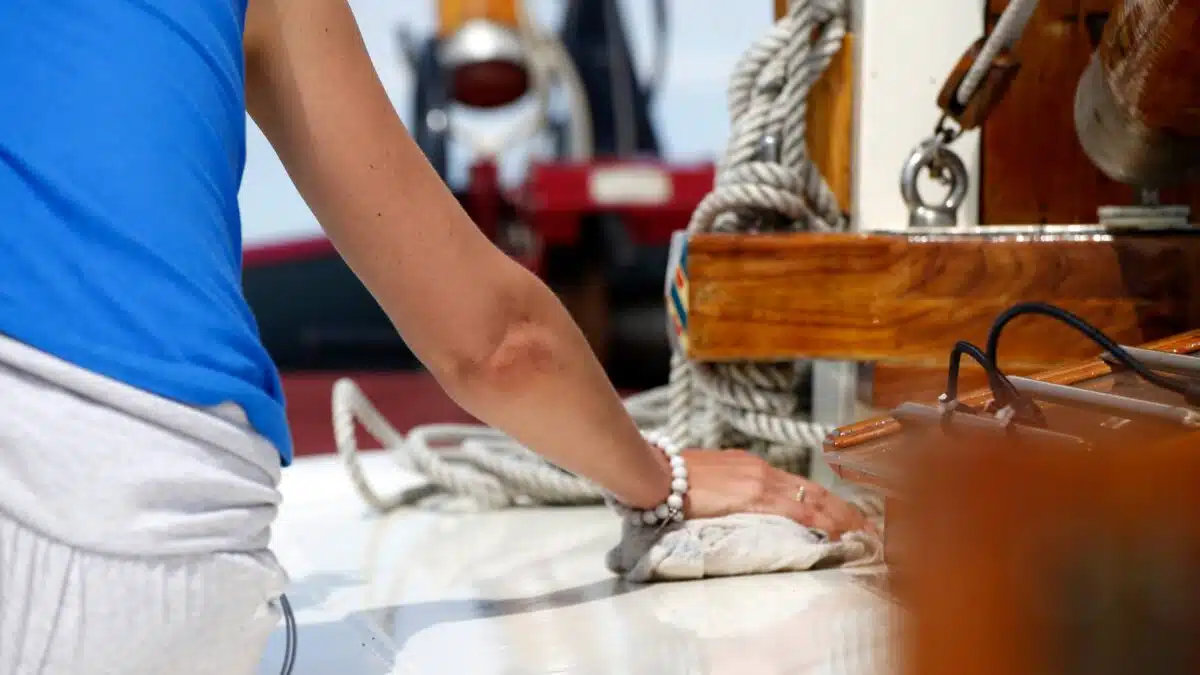
There is a wide selection of equipment for steam cleaning; prices vary considerably
There is a wide selection of equipment for steam cleaning: among others, there are products from Sioux (hot-water high-pressure cleaners & industrial steam cleaners for marine applications), Advap (systems for professional steam cleaning), Pacific Bay Equipment (marine cleaning equipment, including steam systems) and commercial / industrial steam cleaning specialists such as Goodway for “dry steam” devices.
Prices for such equipment vary considerably – depending on performance (temperature, pressure), mobility, features and energy source. Small, portable handheld steam cleaners are available from 100 to 300 euros; they are suitable for interiors, upholstery and smaller cleaning tasks.
Professional devices with medium performance (e.g. for decks, exterior surfaces, moderately sized areas) cost between 1,000 and 5,000 euros (or more, depending on performance and features).
Large industrial or stationary steam cleaners/hot-water high-pressure devices start at 10,000 euros – especially if they are to deliver high pressure, a large volume of water and a self-sufficient power supply.
Examples of smaller steam cleaner products that can be used for interiors, smaller exterior surfaces or upholstery include Black+Decker (FSM1616 handheld steam cleaner), Kärcher (SC 1 EasyFix), Sorbie (Pro Steamer), Wagner (915e Power Steamer), Girmi (AP30, compact steamer), Polti (Vaporetto First/Smart 100), Cecotec (HydroSteam 3030).
Conclusion: For regular interior work, e.g. in the cockpit, on upholstery, in wet rooms and in the engine compartment, steam cleaning can be a sensible option, especially for effectively eliminating mould, bacteria or odours. The process is also suitable for exterior surfaces with salt, deposits and algae (although caution may be required with certain types of paintwork, gelcoat etc.). For skippers who value environmental aspects and want to avoid chemicals as far as possible, steam cleaning is a good alternative to conventional methods.
Care should be taken with special surfaces, electronic devices and types of wood that can be sensitive to high temperatures and moisture. The process is also rather impractical when the electricity or energy supply is limited, when space and storage capacity (for the device & accessories) on board are restricted, and when the cost/benefit ratio is not right – e.g. if you only clean occasionally or only need to clean small areas.