








In Portsmouth Harbour, an unmanned surface drone belonging to the British Royal Navy collided with an X-55 racing yacht. No one was injured, but both vessels were damaged. The incident raises questions that could affect every skipper in the future: How safe are autonomous boats? Who bears responsibility in the event of a collision? And how should you react when suddenly there is no longer a human at the helm of the vessel facing you at sea?
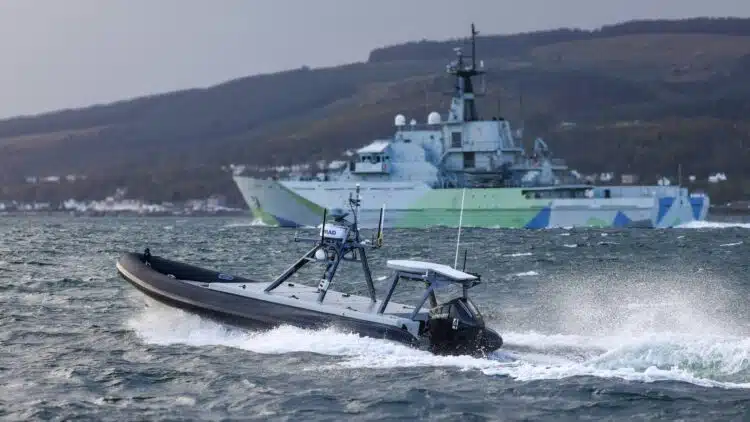
The collision occurred in mid-June during a Royal Navy exercise in the busy Portsmouth Harbour. Involved were the racing yacht LUTINE and an unmanned surface vessel (USV) of the “Rattler” type. According to the British Navy, these vessels are monitored from a shore station and are additionally accompanied by a safety boat during their operations. They are actually supposed to give way to other traffic with sufficient safety distance and comply with the International Regulations for Preventing Collisions at Sea (COLREGs).
Why the collision nevertheless occurred remains unclear. The investigation is ongoing. Whether a technical defect, a software error, a misjudgement by the remote operator or a combination of several factors was the cause is currently open. Nor has it been officially confirmed which of the two vessels was the give-way vessel under the COLREGs. Only one thing is certain: the incident marks a turning point. For the first time, the question of how manned recreational craft and autonomous watercraft can safely navigate alongside each other in the future is taking centre stage.
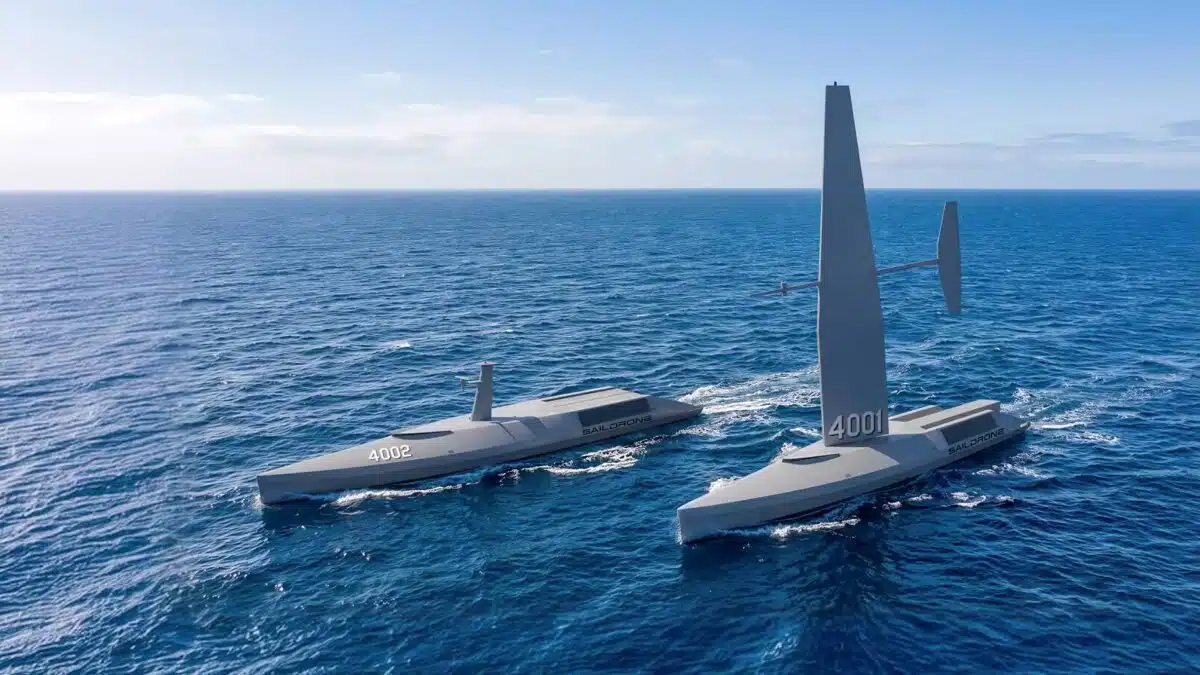
For recreational skippers, this means one thing above all: classic seamanship is becoming even more important. Because even though autonomous boats are equipped with cameras, radar, AIS and intelligent sensor technology, leisure skippers should never rely on the technology detecting them in time or automatically giving way. Small sailing boats or dinghies in particular can be detected less reliably by sensors than large ships in heavy seas, backlight or dense traffic.
Anyone who spots an unmanned watercraft should therefore establish a generous safety distance as early as possible – even if they would actually have right of way under the COLREGs. It is equally advisable to check current navigational warnings and notices of military exercises or test areas before setting off on a passage. AIS can help to detect larger autonomous vessels at an early stage, but is by no means a substitute for a vigilant lookout. The obligation to maintain a proper lookout under Rule 5 of the COLREGs remains fully in force, even in the age of autonomous ships.
If a collision does occur despite all precautions, the same rules generally apply as after any other shipping accident. The safety of people takes priority first. Injured persons must be attended to, and your own yacht must be checked for water ingress or structural damage. The relevant harbour authority or maritime rescue coordination centre should then be informed, if possible. Careful preservation of evidence is also important: photos of the damage, the position, time, weather and visibility conditions as well as – if available – AIS data or electronic track recordings can be decisive for the later clarification of the course of the accident. Witnesses should also be named where possible. The damage must then be reported to your own liability or hull insurance without delay.
The Portsmouth accident is therefore likely to attract attention far beyond the British naval base. With the increasing spread of autonomous surface vessels, encounters between man and machine at sea will become more frequent in the future. For recreational skippers, this means one thing above all: good seamanship, a vigilant lookout and defensive behaviour remain the most effective means of avoiding collisions – regardless of whether there is a human or a computer at the other helm.
Info: Encountering a surface drone – How recreational skippers should respond correctly
1. Keep a safety distance
Even if you may have right of way under the International Regulations for Preventing Collisions at Sea (COLREGs): keep as much distance as possible from unmanned watercraft. Autonomous systems can have sensor errors or assess traffic situations differently than a human.
2. Do not rely on the technology
AIS, radar and cameras increase safety, but do not guarantee that an autonomous boat will detect your yacht in time. Therefore, always assume that you will have to give way yourself.
3. Maintain a consistent lookout
The obligation to maintain a proper lookout under Rule 5 of the COLREGs applies without restriction – including towards autonomous vessels. Heightened attention is required, especially in harbours, fairways and test areas.
4. Get informed before your passage
Navigational warnings (Notices to Mariners), harbour information and announcements about military exercises or trial runs can help you avoid encounters with autonomous vessels from the outset.
5. Act calmly after a collision
Saving lives and limiting damage are the top priorities. The harbour authority or maritime rescue coordination centre should then be informed, damage should be comprehensively documented and your own insurance company should be notified without delay. Photos, AIS data, GPS tracks and witness statements can later be decisive for clarifying the course of the accident.