









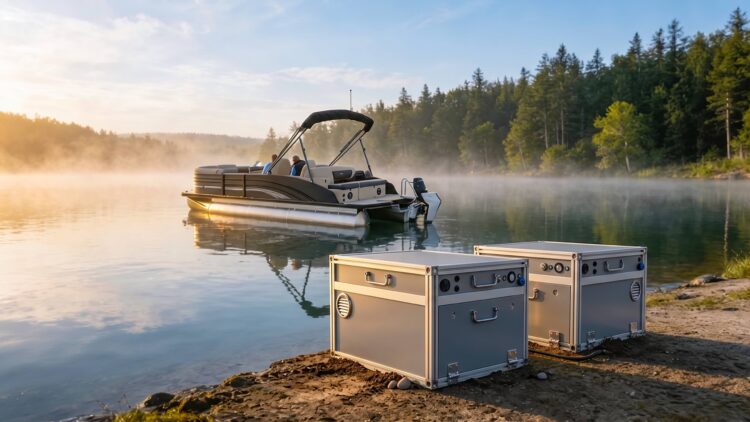
Lithium-ion batteries have become an integral part of modern recreational boating. They power electric outboard motors, e-foils, underwater scooters, drones, tools, onboard electrics and, increasingly, complete propulsion systems for yachts. However, as their use grows, so does concern about fires on board. Many skippers are therefore asking: will lithium batteries soon have to be stored in special safety boxes?
The short answer: for most private recreational boats in Europe, there is currently no general legal requirement to store lithium batteries in special safety boxes. However, standards, classification requirements and safety guidelines are increasingly tightening the requirements for installation, monitoring and fire protection. SeaHelp provides an overview.
New standards instead of a general box requirement
An important step in this regard was the publication of the ISO 23625:2025 standard, which last year defined concrete requirements for lithium-ion batteries on recreational boats for the first time. It regulates the selection, installation and safety of battery systems with a capacity of more than 500 Wh on board recreational boats.
At the same time, the International Maritime Organization (IMO) is working on a comprehensive safety framework for battery-electric ships and battery storage systems. The development of corresponding regulations is currently in full swing.
The European Maritime Safety Agency (EMSA) has also already published guidelines for onboard battery storage. Although these are not (yet) mandatory, they already serve as a point of reference for many authorities and classification societies.
Why lithium batteries are problematic on board
The greatest danger is so-called “thermal runaway.” In this process, a damaged or faulty cell heats up increasingly on its own. Temperatures of several hundred degrees Celsius and toxic gases are produced, often resulting in a fire that is difficult to control. What is particularly critical here is the fact that a single battery can “ignite” neighboring batteries and trigger a chain reaction.
On a yacht, the situation is made worse by the following: there are usually only limited escape routes, small reserves of extinguishing water, very cramped technical spaces, and often flammable interior fittings made of wood or plastic on board.
For this reason, classification societies such as Det Norske Veritas (DNV) require extensive safety measures for larger battery systems, such as temperature monitoring, ventilation and special extinguishing systems.
Safety boxes: not mandatory, but increasingly standard
No European regulation currently explicitly requires private recreational boats to store spare batteries in safety boxes. However, many insurers, shipyards and safety consultants now explicitly recommend doing so. Two product groups are particularly relevant here:
RACLAN systems
The RACLAN systems were developed specifically for storing and charging lithium-ion batteries. The boxes are made of fire-resistant composite material and, depending on the model, feature an integrated extinguishing system that is triggered automatically in the event of a critical rise in temperature. They are designed to contain fires and prevent them from spreading to the surrounding area.
Some models are explicitly designed for storing, transporting and charging lithium batteries. The manufacturers advertise the systems as explosion-proof and fire-resistant.
You are currently viewing a placeholder content from YouTube. To access the actual content, click the button below. Please note that doing so will share data with third-party providers.
ZARGES
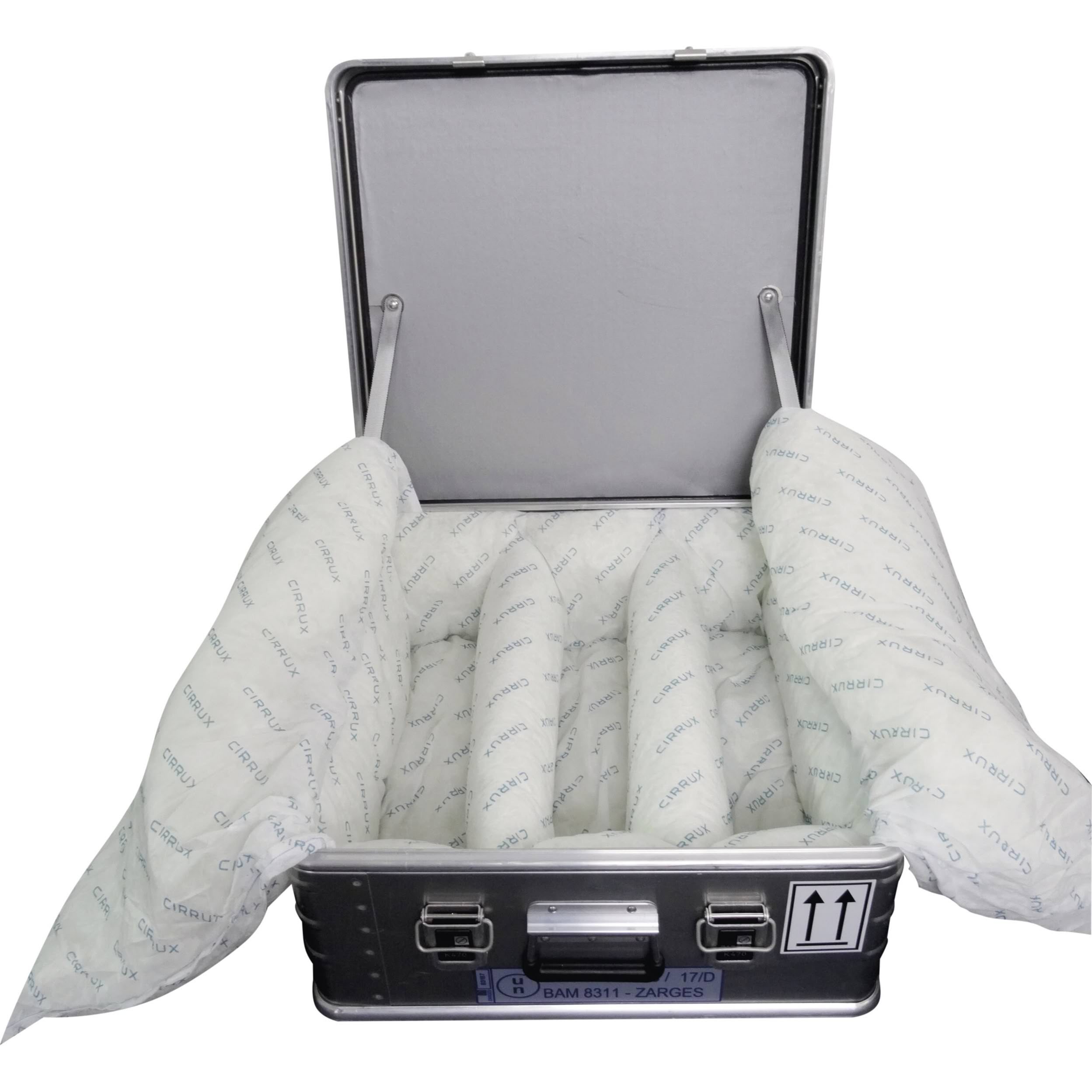
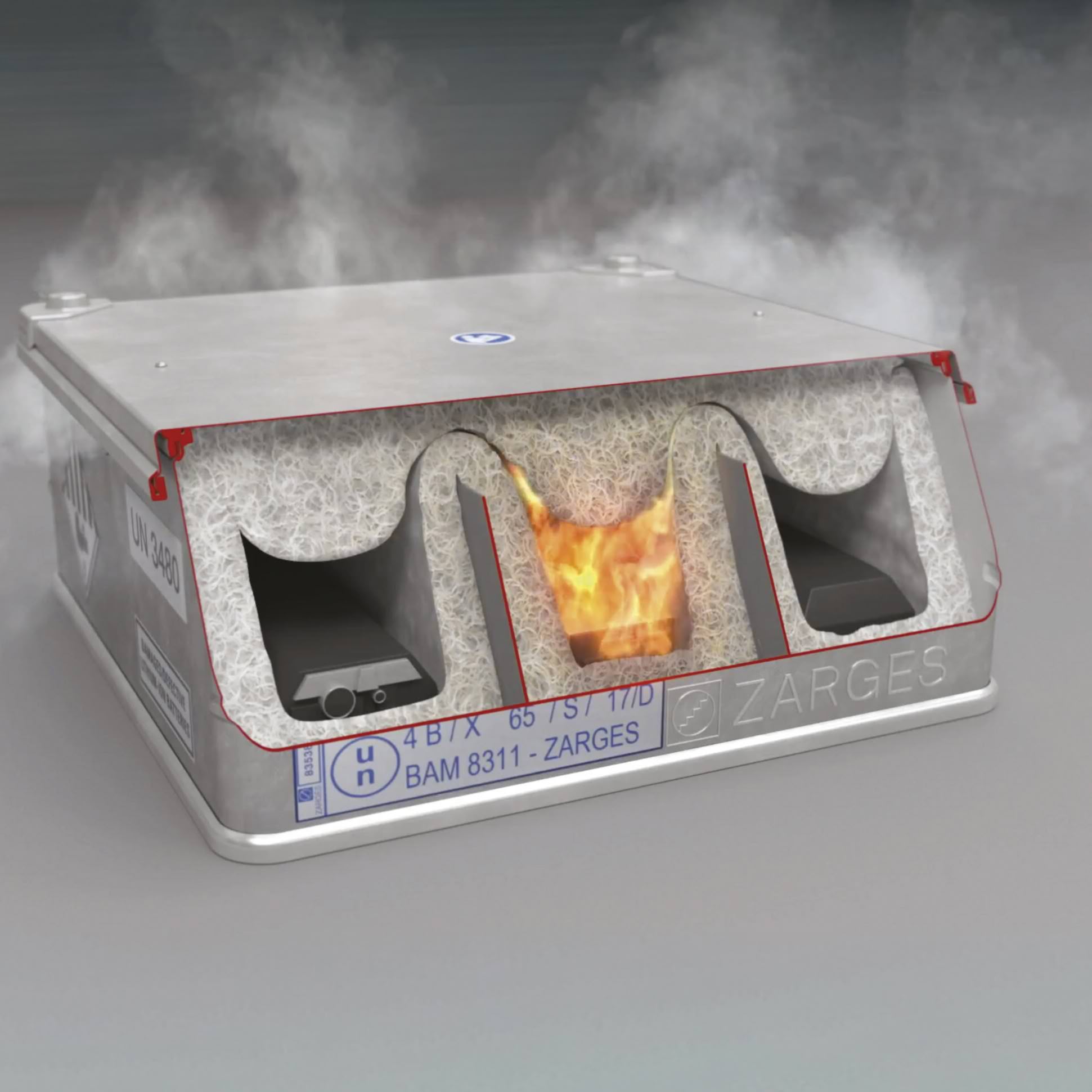
The BatterySafe solutions from ZARGES were also developed specifically for lithium batteries. The aluminum cases feature a non-combustible interior lining and are designed to significantly reduce the impact on the surrounding area in the event of a cell fire. They are used for both storage and transport.
What does this mean for yacht owners?
For the typical cruising sailor or motorboater, the following currently applies: permanently installed lithium onboard batteries should be installed in accordance with current standards, equipped with a battery management system (BMS), properly fused and regularly monitored.
Mobile batteries should, wherever possible, not be stored loose in lockers or storage compartments; they should be protected from moisture and mechanical damage, stored in fire-retardant containers wherever possible, and never charged unattended.
Especially for e-bike batteries, drone batteries, power tool batteries or batteries for electric outboard motors, there is a growing number of recommendations to use special safety boxes.
Insurers are closely monitoring the development
Most yacht insurers do not yet require certified battery safety boxes. However, experts expect this to change in the coming years. Similar developments have already occurred with fire extinguishers, gas systems and electrical installations.
As the electrification of recreational boating continues to increase, lithium safety concepts are likely to become just as much a matter of course in the future as life jackets or smoke detectors.
Conclusion
There is currently no general legal requirement to store lithium batteries in safety boxes on private yachts, either in Germany or at EU level. However, regulatory developments clearly point toward higher safety standards. New standards such as ISO 23625:2025, the work of the IMO, and recommendations from EMSA and DNV make it clear that lithium batteries are now considered a distinct safety risk.
Anyone using high-quality lithium batteries on board today would therefore be well advised to voluntarily invest in professional safety solutions such as RACLAN or ZARGES battery boxes. While not yet a legal requirement, many fire safety experts consider them to be a sensible investment in the safety of crew and vessel.